Bring a Touch of Nostalgia to Your Projects with Vintage Garden Ephemera Junk Journal Pages
There's a special kind of magic in a forgotten photograph, a pressed flower, or a handwritten note from another era. These fragments, or ephemera, tell stories without words, evoking a sense of history, romance, and quiet beauty. For designers, crafters, and content creators, capturing this aesthetic can be a powerful way to connect with an audience that appreciates authenticity and texture. This is where a well-curated collection like the Vintage Garden Ephemera Junk Journal pages becomes an invaluable creative asset.
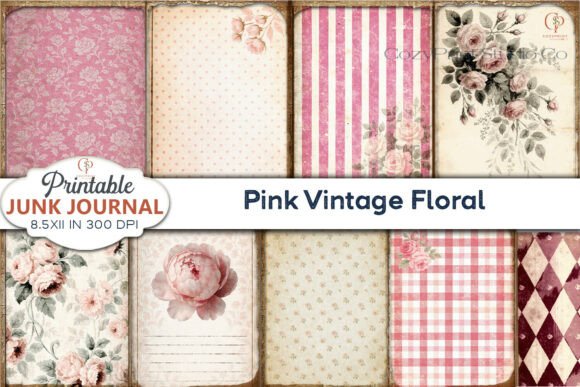
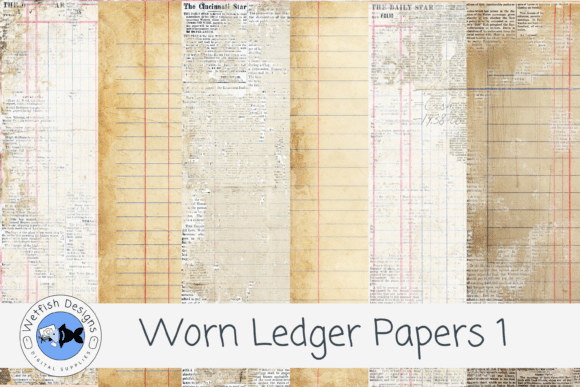
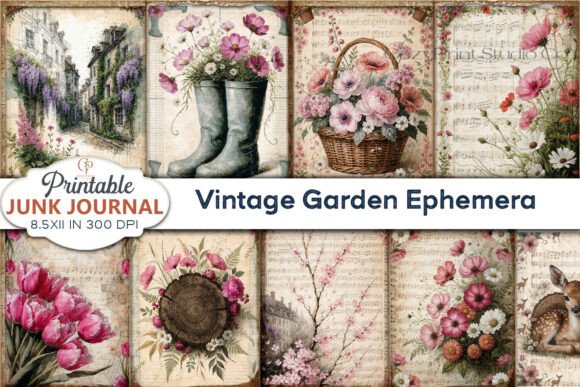
This set isn't just a random assortment of old-looking images. It's a cohesive collection of 10 high-quality JPEG files, each designed at 300 DPI and sized at a generous 8.5 x 11 inches. This makes them immediately ready for high-resolution printing and integration into a vast array of projects. The visual personality is unmistakable: think delicate botanical illustrations, faded ledger paper, antique postcards, and the soft, muted color palettes of a sun-drenched conservatory. The style is romantic, slightly worn, and inherently personal, offering a tangible connection to the past that digital-first design sometimes lacks.
Where This Aesthetic Truly Shines
The versatility of a Vintage Garden Ephemera Junk Journal collection extends far beyond its namesake. While it's the perfect foundation for creating layered, textured junk journals and scrapbooks, its applications are surprisingly broad. For graphic designers and brand strategists, these assets can inject warmth and character into logo design or brand identity projects for businesses like florists, boutique bakeries, or artisanal product makers. The textures provide a rich backdrop for social media graphics, helping posts stand out in a feed with a handcrafted, authentic feel.
In editorial design and packaging design, elements from the collection can be used as decorative borders, chapter headings, or product label accents. The consistent aesthetic ensures visual cohesion across a multi-page magazine spread or a full product line. For web design, these high-resolution images can be adapted as background textures, hero image overlays, or section dividers, adding a layer of depth and storytelling to a digital space. Marketers and bloggers will find them useful for creating compelling lead magnets, printable worksheets, or visually rich PDF guides that feel premium and thoughtfully designed.
Practical Guidance for Creative Integration
Simply having a beautiful asset isn't enough; knowing how to integrate it effectively is key. When working with a premium font set like this, consider the principle of contrast. Pairing these ornate, detailed backgrounds with a clean, modern sans serif font for body text ensures readability. Conversely, using a complementary script font or handwritten font for headlines can amplify the vintage, personal feel. This practice of font pairing is crucial for establishing a clear visual hierarchy and maintaining professionalism.
Before committing to a large project, test the assets in context. How do the colors in the ephemera interact with your chosen color palette? Does the level of detail in the background compete with your foreground text or imagery? Always evaluate the fit for your specific audience. A vintage garden aesthetic might resonate deeply with a demographic interested in home decor, gardening, or heritage crafts, but could feel out of place for a tech startup's primary branding. It's about matching the tool to the task.
Key Considerations for Your Workflow
- Project Fit: Is the nostalgic, detailed style appropriate for your brand's voice? These assets work best where a story, history, or handcrafted quality is part of the message.
- Technical Specs: With 300 DPI and 8.5x11 inch dimensions, these files are print-ready. For digital use, you may need to resize or optimize them for faster web loading.
- Licensing: Since this is a digital download with no physical item, review the license terms carefully. Understand what's permitted for personal versus commercial use, especially if you plan to sell finished products like printed journals or planners.
- Layering and Editing: The JPEG format is widely compatible, but for complex collages in software like Photoshop or Canva, you might want to use them as base layers. Add your own text, design assets, or other graphical elements on top to create unique compositions.
Ultimately, a collection like the Vintage Garden Ephemera Junk Journal pages is more than just a set of pretty pictures. It's a toolkit for evoking emotion, building atmosphere, and adding a layer of tactile authenticity to both physical and digital creations. By thoughtfully applying these assets, you can elevate a simple project into something that feels curated, meaningful, and deeply engaging for your audience.