Lined Vintage Background Junk Journal: A Designer's Field Notes
There’s a particular feeling that the best creative assets evoke—a sense of history, texture, and a story waiting to be told. The Lined Vintage Background Junk Journal collection taps directly into that feeling. It’s not just a set of digital files; it’s a toolkit for building narratives, layering textures, and grounding your projects in a tangible, tactile reality. In a digital world saturated with sterile perfection, these pages offer a welcome dose of authenticity and character.
More Than a Background: The Anatomy of a Visual Story
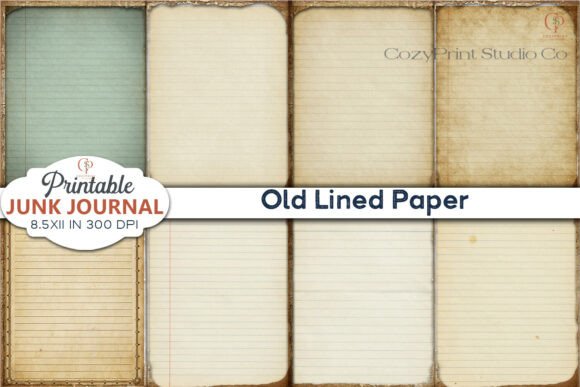
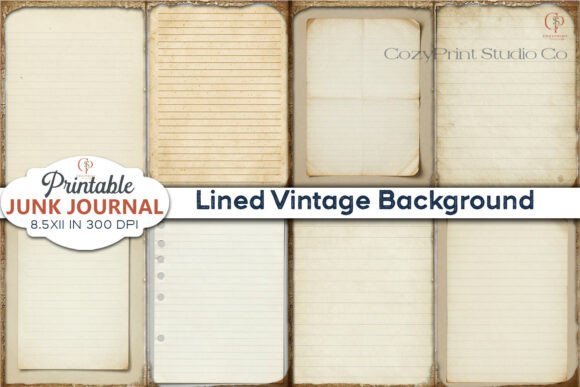
At its core, the Lined Vintage Background Junk Journal is a curated set of 10 high-quality JPEG files. The specifications are professional-grade: 300 DPI resolution ensures crisp detail for print, and the 8.5 x 11 inch size makes them immediately practical for North American letter-size projects. But the real value lies in their aesthetic. These aren't generic, overly distressed templates. They possess a nuanced personality—the subtle yellowing of aged paper, the faint, ghostly lines of a once-loved ledger, and the soft, uneven textures that only time and handling can create. The lines themselves are a key feature, providing a built-in grid that suggests narrative, list-making, or handwritten entries without dictating the content. This combination of structure and decay is a powerful design asset for anyone looking to create a sense of history or personal touch.
The appeal is universal, but the application is specific. For the scrapbooker or junk journal artist, these pages are the foundation. They serve as the canvas upon which ephemera, photos, and handwritten notes come to life. The lined grid helps organize elements visually, preventing the beautiful chaos from becoming visual noise. For a graphic designer working on brand identity for a boutique coffee shop, a vintage bookstore, or a handmade cosmetics line, these backgrounds can be used to create mood boards, packaging mockups, or social media templates that instantly communicate a brand story rooted in authenticity and craft.
Practical Applications: From Digital Screens to Physical Hands
The versatility of these vintage backgrounds is where they truly shine. They function as a bridge between digital creation and physical output. Here’s how different professionals can leverage them:
- For Marketing & Content Creators: Use them as backgrounds for social media graphics to break through the feed's uniformity. A quote about perseverance looks infinitely more compelling layered over a page that feels like it has survived a century. They’re perfect for blog post headers, newsletter graphics, or podcast cover art that needs an immediate, resonant aesthetic.
- For Publishers & Bloggers: Incorporate them into editorial design for printables, downloadable worksheets, or PDF guides. The lined format is ideal for creating planners, journaling prompts, or recipe cards that feel personal and intentional.
- For Small Business Owners & Entrepreneurs: They are a secret weapon for creating packaging design elements, hang tags, thank-you cards, and product labels. A small batch jam maker or a leather goods artisan can use these backgrounds to add a layer of heritage and handmade quality to their branding materials, enhancing perceived value.
- For Hobbyists & Crafters: Beyond formal projects, they are the heart of DIY creative projects. Think card making, mixed-media collage, or planner decoration. The instant download format means you can print a sheet, tear it up, ink the edges, and use it immediately in a physical project.
Working with the Asset: A Practical Guide
Treating these files as you would any professional design asset will yield the best results. Here is some practical guidance for integrating them into your workflow:
- Evaluate the Fit: Before you begin, ask: does this project need to feel historical, personal, or organic? If the goal is sleek, ultra-modern, or corporate, a clean sans serif font on a plain background might be better. The Lined Vintage Background Junk Journal excels where warmth, narrative, and texture are desired.
- Master the Pairing: The backgrounds are display and texture elements. They demand complementary typography. A strong, clean serif font can look authoritative and grounded against them. A handwritten font or script font can enhance the personal, journal-like feel. Avoid overly ornate or complex typeface choices that would compete with the background's texture. The goal is harmony, not a fight for attention.
- Layer with Intention: Don't just slap text on top. Use the lines as a guide. Align text blocks to the grid for a clean, structured look, or intentionally break the grid for a more dynamic, scrapbook-style composition. Use blending modes in your design software to let the texture interact with your foreground elements—multiply, overlay, or soft light can create beautiful, integrated effects.
- Consider the Medium: For web design, be mindful of file size. A full-page JPEG can be heavy. Consider using them as a repeating texture for a website background or as a focused hero image, optimizing the file for the web. For print, the 300 DPI JPEGs are ready to go, ensuring professional output quality.
The Lined Vintage Background Junk Journal is more than a creative font or a simple texture pack. It’s a versatile component for modern typography projects that seek to balance digital precision with analog soul. By understanding its character and applying it thoughtfully, you can transform the mundane into the memorable, creating work that doesn’t just look good, but feels deeply human. It’s a small investment that can significantly elevate the narrative power of your logo design, editorial layouts, and personal projects alike.